
The rich history of Islamic medicine offers a treasure trove of herbal remedies deeply rooted in both scientific observation and spiritual insight. These remedies, many of which were endorsed by the Prophet Muhammad (peace be upon him) or mentioned in the Qur’an, have been used for centuries to heal, nourish, and maintain balance in the body. Below, we explore some of these remarkable remedies and their historical significance.
The Prophet Muhammad (peace be upon him) said:
“There is no disease that Allah has created, except that He also has created its treatment.” (Bukhari)
This profound statement emphasizes the divine wisdom behind natural remedies, encouraging Muslims to seek cures through the bounties of nature while placing their trust in Allah’s mercy and guidance.
Often called the “seed of blessing,” black seed holds a special place in Islamic medicine. The Prophet Muhammad (peace be upon him) said:
“In black seed, there is healing for every disease except death.” (Bukhari and Muslim)
Renowned for its immune-boosting and anti-inflammatory properties, black seed is used to treat a wide range of ailments, from respiratory conditions to digestive issues.
How to use it:
Consume black seed oil mixed with honey, or sprinkle the seeds on bread and salads to reap its benefits.
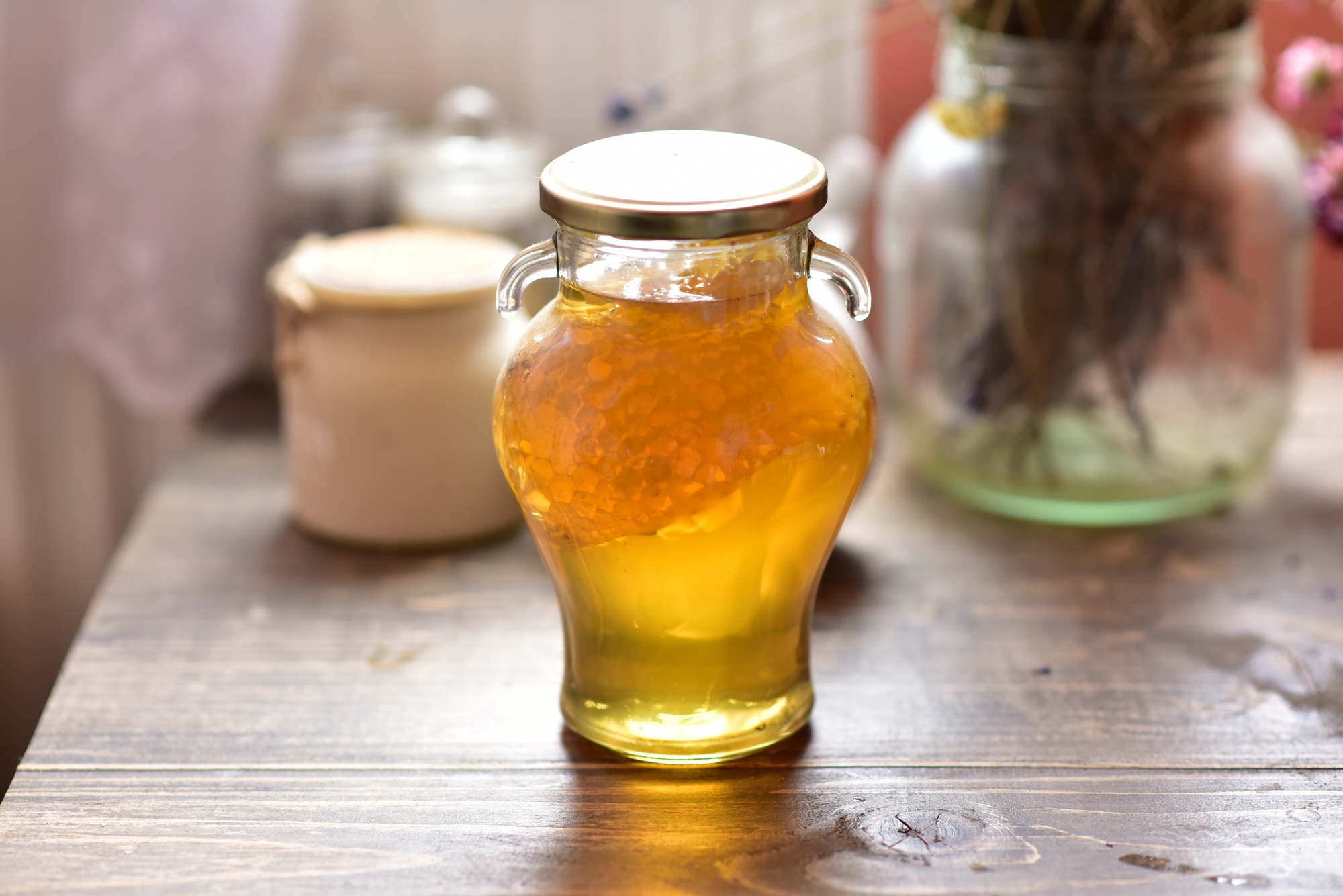
Honey is both a natural sweetener and a powerful medicinal substance. Allah says in the Qur’an:
“From their bellies comes forth a drink of varying colors, in which there is healing for people.” (Surah An-Nahl 16:69)
The Prophet Muhammad (peace be upon him) also recommended honey for digestive issues, wounds, and general health.
How to use it:
Use honey as a natural sweetener in drinks or apply it directly to wounds for its antibacterial properties. A warm cup of honey and lemon water is an excellent remedy for colds and sore throats.
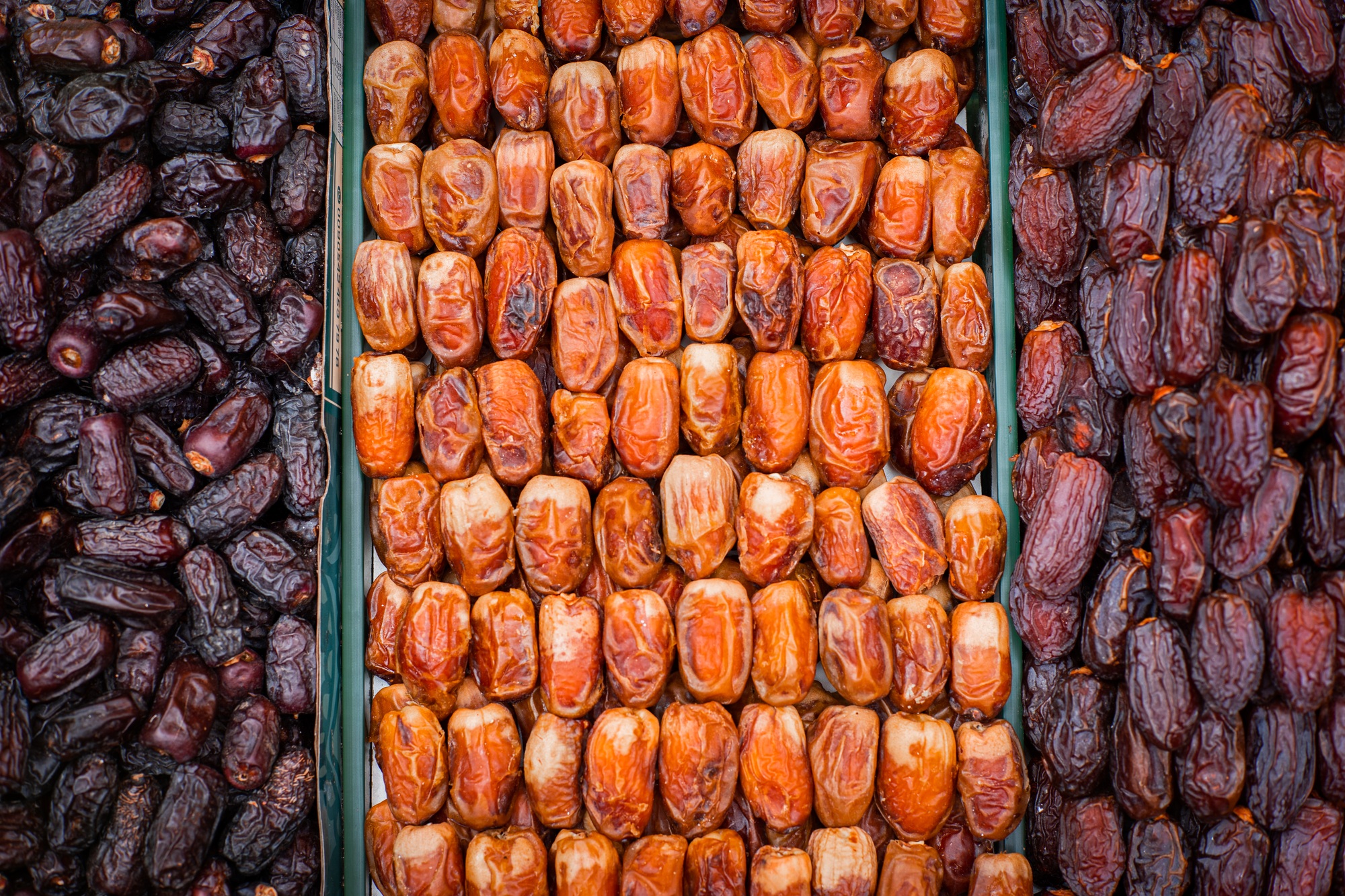
Dates, especially Ajwah dates, are often highlighted in the Sunnah. The Prophet (peace be upon him) said:
“Whoever eats seven Ajwah dates in the morning will not be harmed by poison or magic.” (Bukhari)
Rich in fiber, vitamins, and natural sugars, dates are a powerhouse of energy and nutrients. They are particularly beneficial for expectant mothers and during fasting.
How to use them:
Eat them as a snack, blend them into smoothies, or break your fast with them during Ramadan.
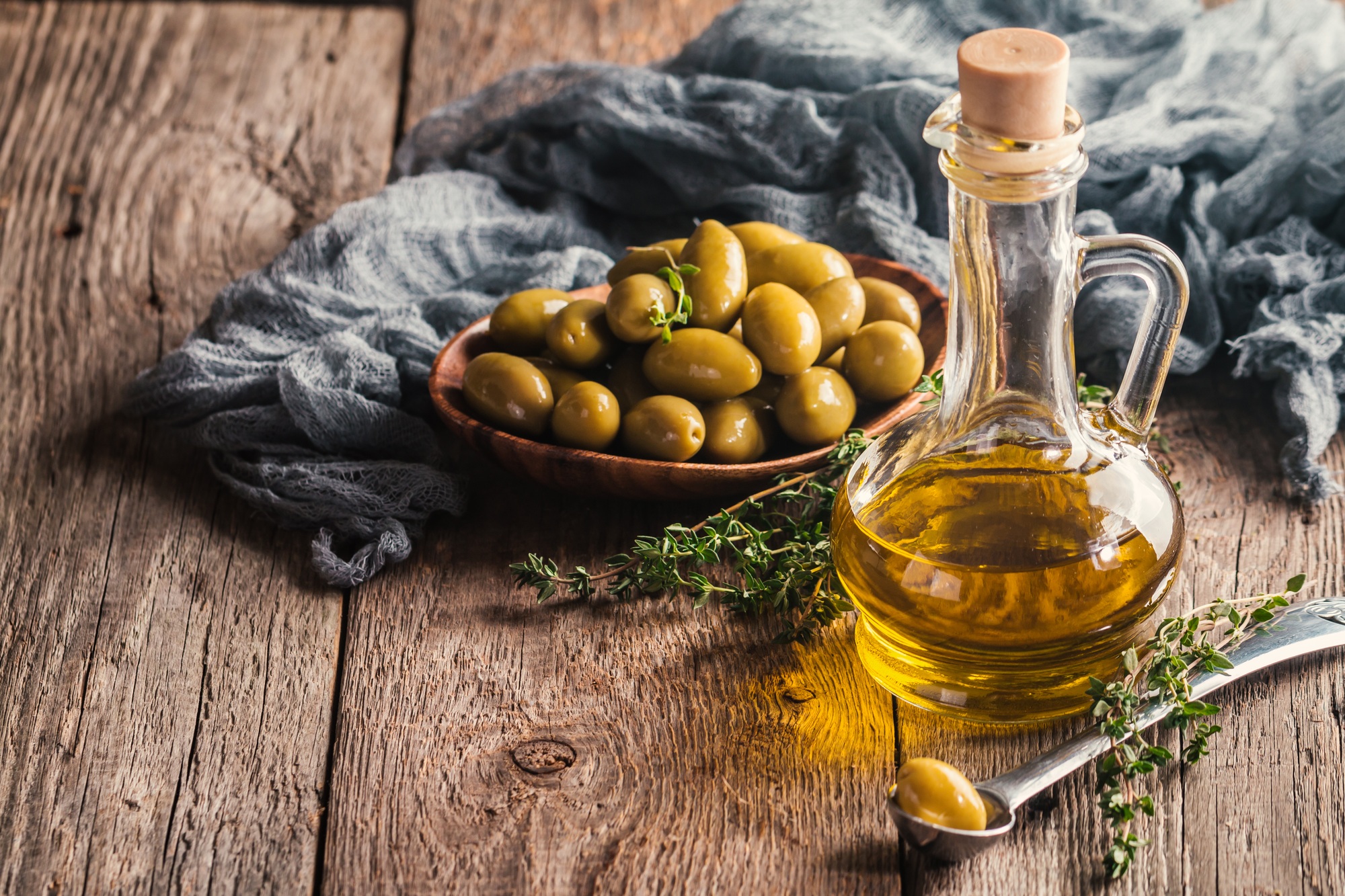
The olive tree is described as blessed in the Qur’an:
“Lit from [the oil of] a blessed tree – an olive – neither of the east nor of the west.” (Surah An-Nur 24:35)
The Prophet (peace be upon him) advised:
“Eat olive oil and use it as an ointment, for it comes from a blessed tree.”
Known for its anti-inflammatory properties, olive oil is excellent for heart health, skin care, and even joint pain.
How to use it:
Use olive oil in cooking, as a salad dressing, or as a massage oil for sore muscles and joints.
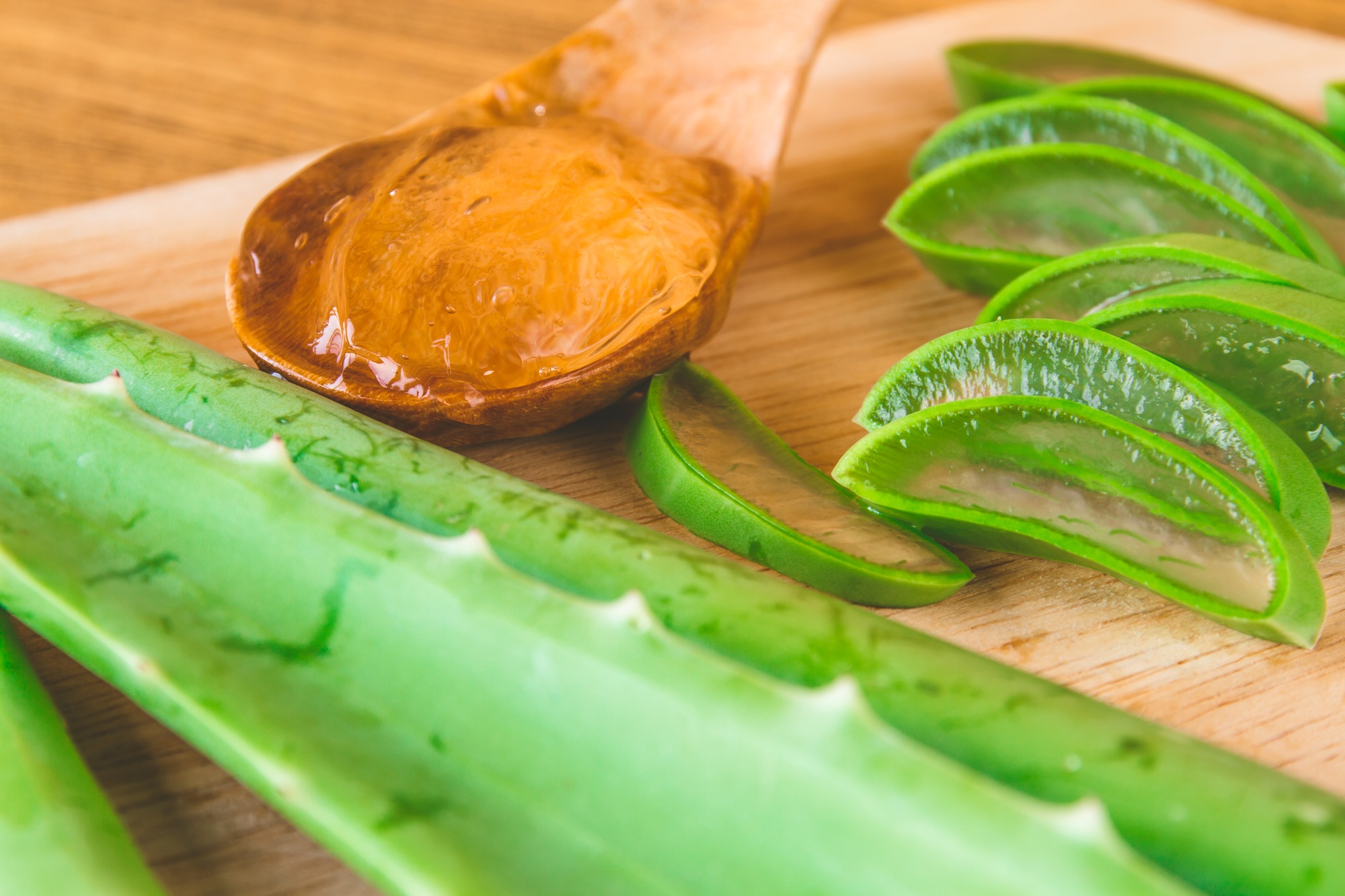
Aloe vera has been used since ancient times for its soothing and healing properties. The Prophet (peace be upon him) recommended it for burns and skin conditions.
How to use it:
Apply fresh aloe vera gel directly to the skin for burns, wounds, or irritations. It can also be blended into drinks to support digestive health.
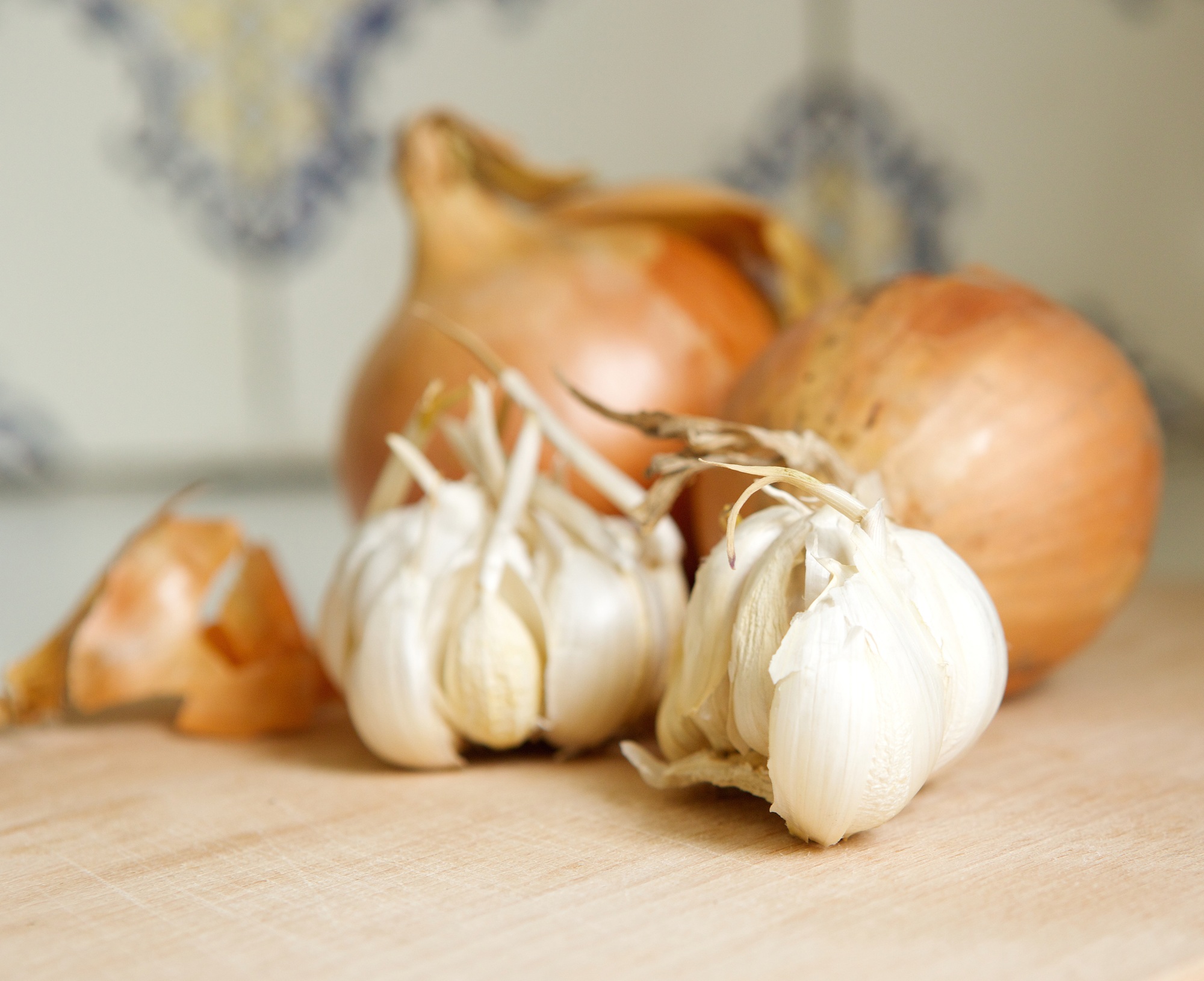
These kitchen staples were not only part of the early Muslim diet but also recognized for their medicinal properties. Garlic is known for its immune-boosting and antimicrobial effects, while onions are believed to support digestion and combat infections.
How to use them:
Include them in your meals to strengthen immunity and add natural flavor. Garlic can also be consumed raw for maximum health benefits.
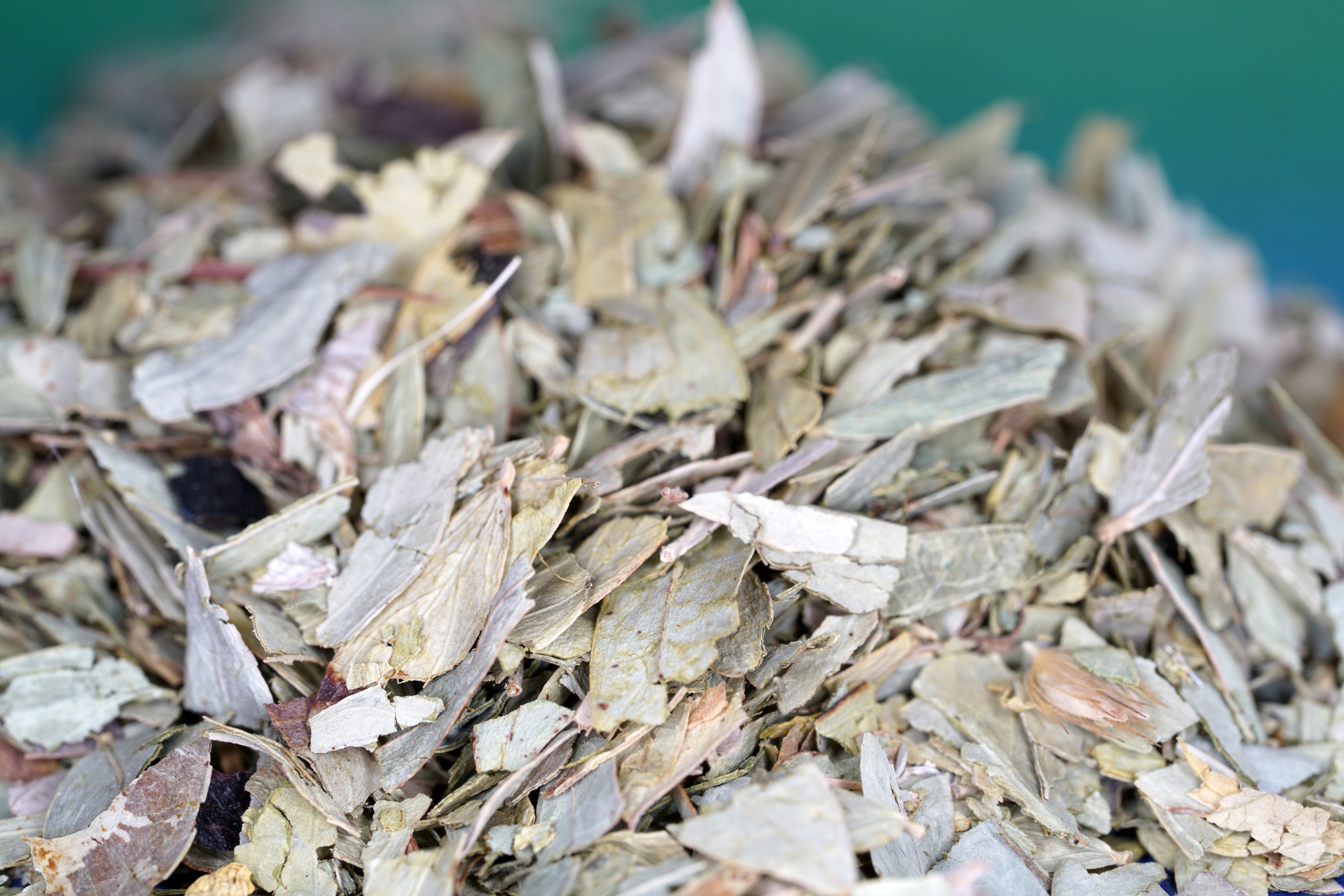
Senna was a popular remedy for digestive health in early Islamic medicine. Its primary use was as a natural laxative, recommended to cleanse the system gently.
How to use it:
Steep senna leaves in hot water to make a tea, adding a touch of honey to improve the taste. Use sparingly to avoid discomfort.
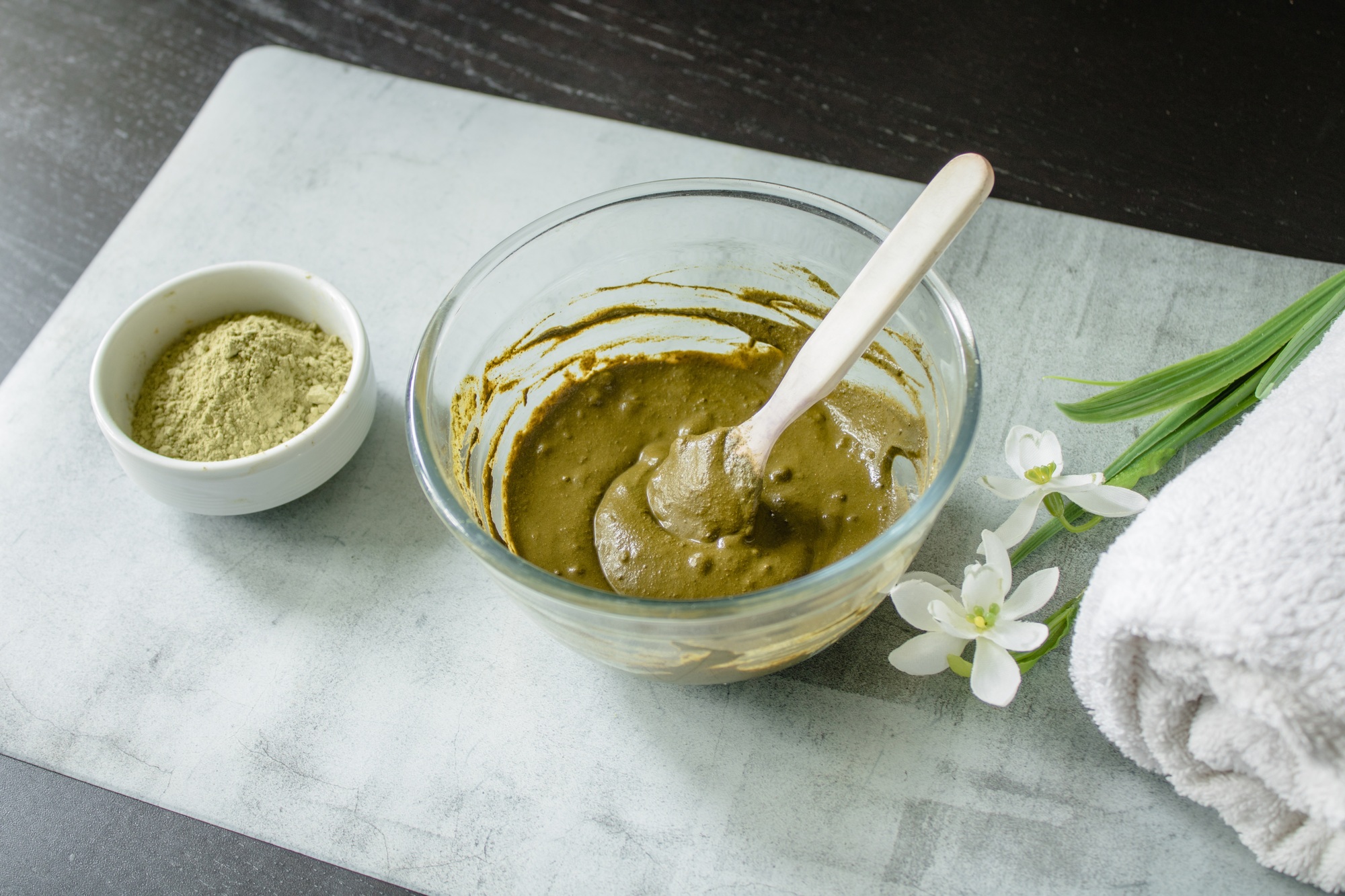
Henna is not only a cosmetic dye but also a therapeutic herb. Known for its cooling properties, it has been used to treat skin conditions and reduce inflammation.
How to use it:
Apply henna paste to the skin for cooling relief or as a natural hair dye. It can also be used on wounds to promote healing.
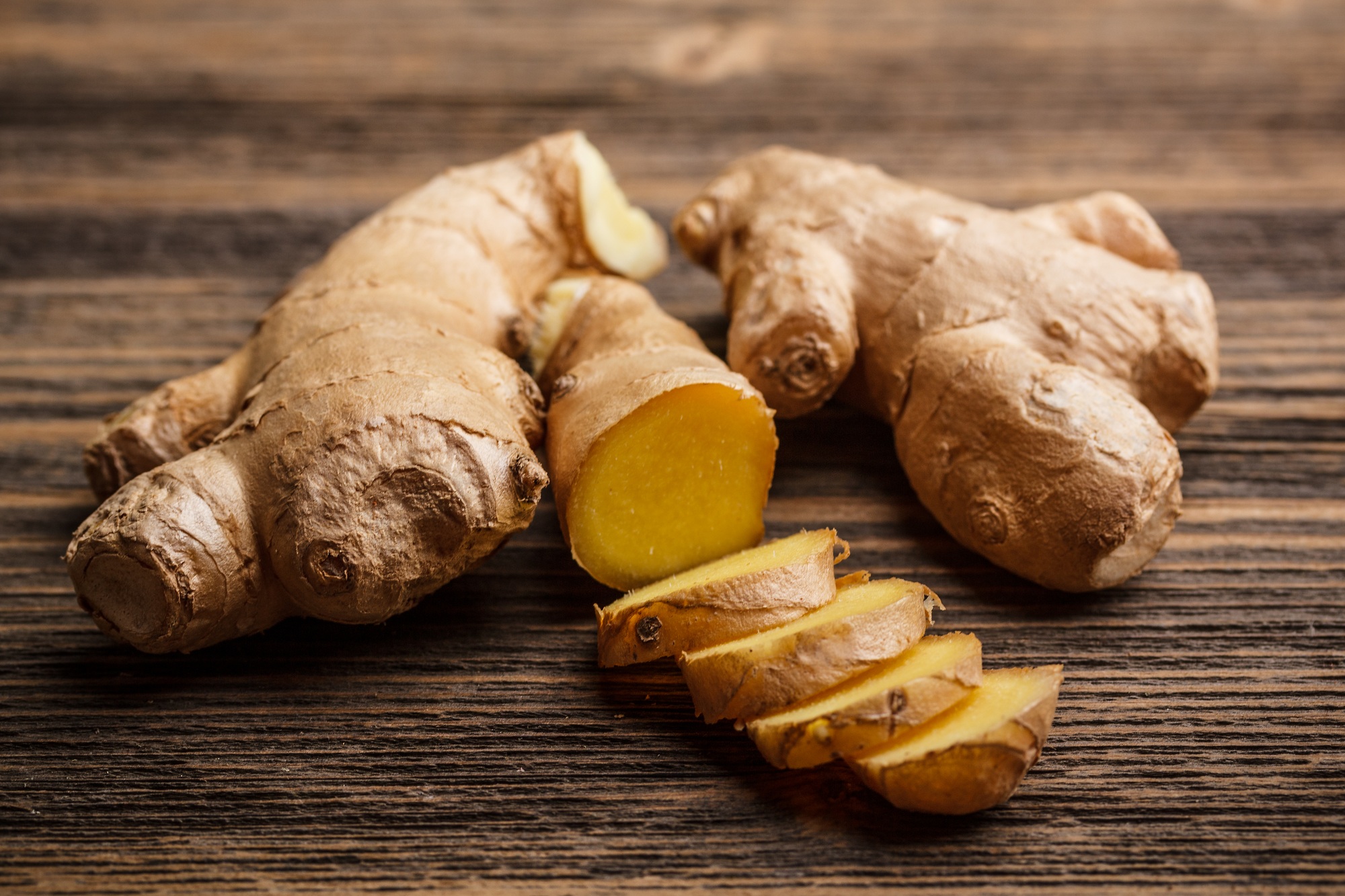
Ginger is celebrated for its digestive and anti-inflammatory benefits. It is even mentioned in the Qur’an as a flavoring in paradise:
“And they will be given to drink a cup [of wine] mixed with ginger.” (Surah Al-Insan 76:17)
How to use it:
Boil fresh ginger in water to make tea or add it to your cooking for a spicy, health-boosting kick.
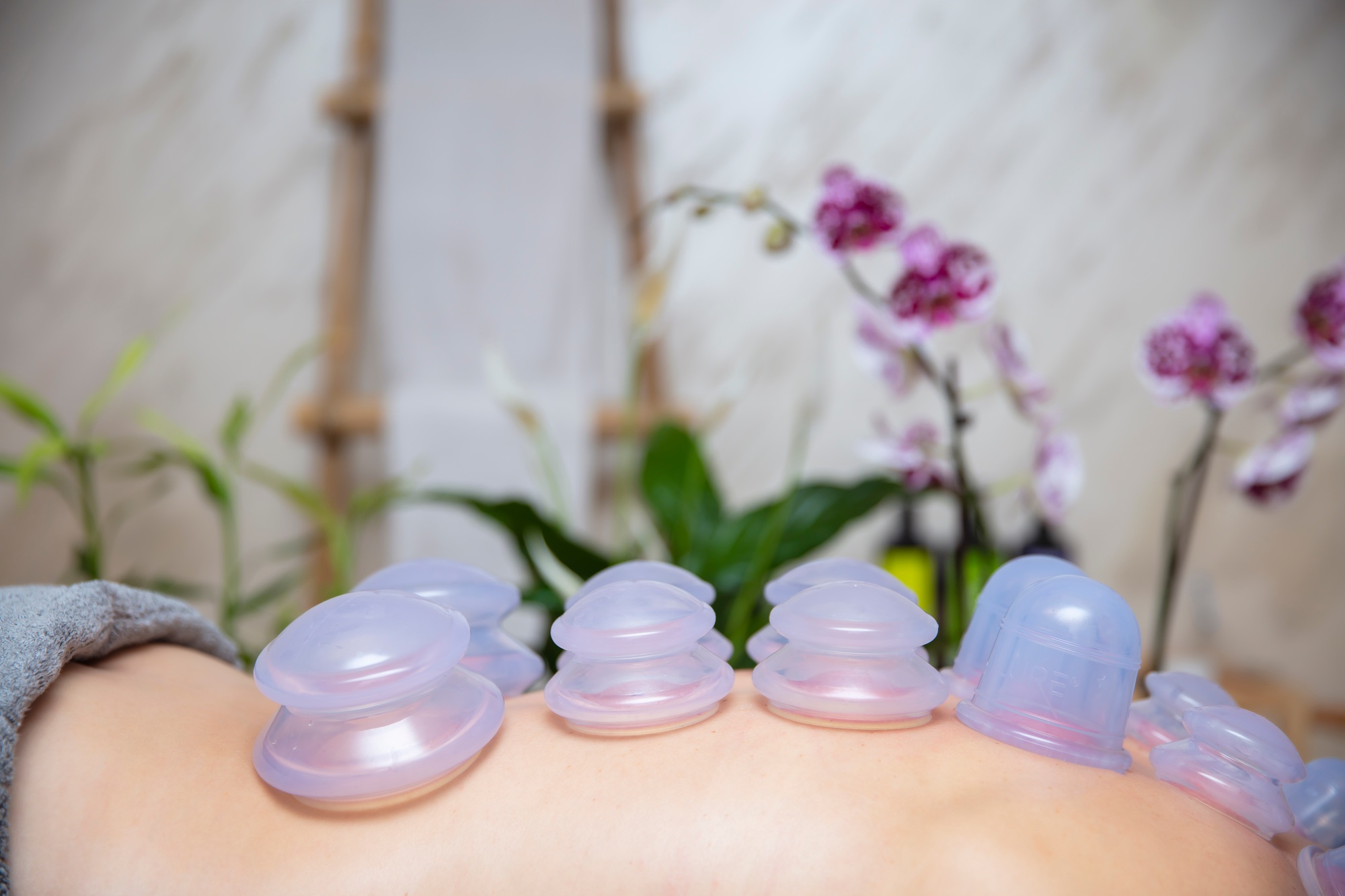
Endorsed by the Prophet Muhammad (peace be upon him), cupping therapy is a holistic healing practice that involves suctioning the skin to improve blood flow and remove toxins.
How to use it:
Seek a qualified practitioner to perform hijama safely. It is often recommended for pain relief, detoxification, and stress management.
The development of herbal medicine in the Islamic world was a blend of empirical science and spiritual understanding. Scholars like Ibn Sina (Avicenna) and Al-Razi documented hundreds of remedies, combining wisdom from Greco-Roman, Persian, and Ayurvedic traditions. Botanical gardens flourished during the Islamic Golden Age, serving as research centers for medicinal plants.
Books like Ibn al-Baytar’s Book of Simple Drugs cataloged numerous herbs, laying the groundwork for modern herbal medicine.
The herbal remedies of Islamic tradition are a profound reminder of the connection between physical health and spiritual well-being. From black seed to cupping therapy, these practices reflect the wisdom of a holistic lifestyle that integrates natural healing with faith.
The Prophet’s teachings remind us to actively seek cures for illnesses, placing our trust in Allah’s mercy and the healing properties He has embedded in nature. May we benefit from these remedies with gratitude and care while remembering the ultimate source of all healing.
May Allah grant shifa (healing) to all who seek it, and may we find barakah (blessings) in the remedies He has provided! 🌿